

The Road to 2030: Can the UK Deliver a Clean Power System?
Part One: Building the Foundations
Every few weeks, another headline poses the same question: Can the UK really achieve clean power by 2030?
The answers rarely agree. One week, the focus is on record levels of renewable electricity generation or another major offshore wind announcement. The next, attention turns to delayed grid connections, planning challenges or questions over whether the electricity network can keep pace with the volume of projects waiting to connect.
From the outside, it can feel like two completely different stories are being told.
Spend time speaking to developers, investors, engineers, utilities or network operators, however, and the conversation is usually far less polarised. Most are no longer debating whether the UK should move towards a cleaner electricity system. That direction of travel is widely accepted. The discussion is centered on something much more practical: what still needs to happen between now and 2030 for that
ambition to become reality.
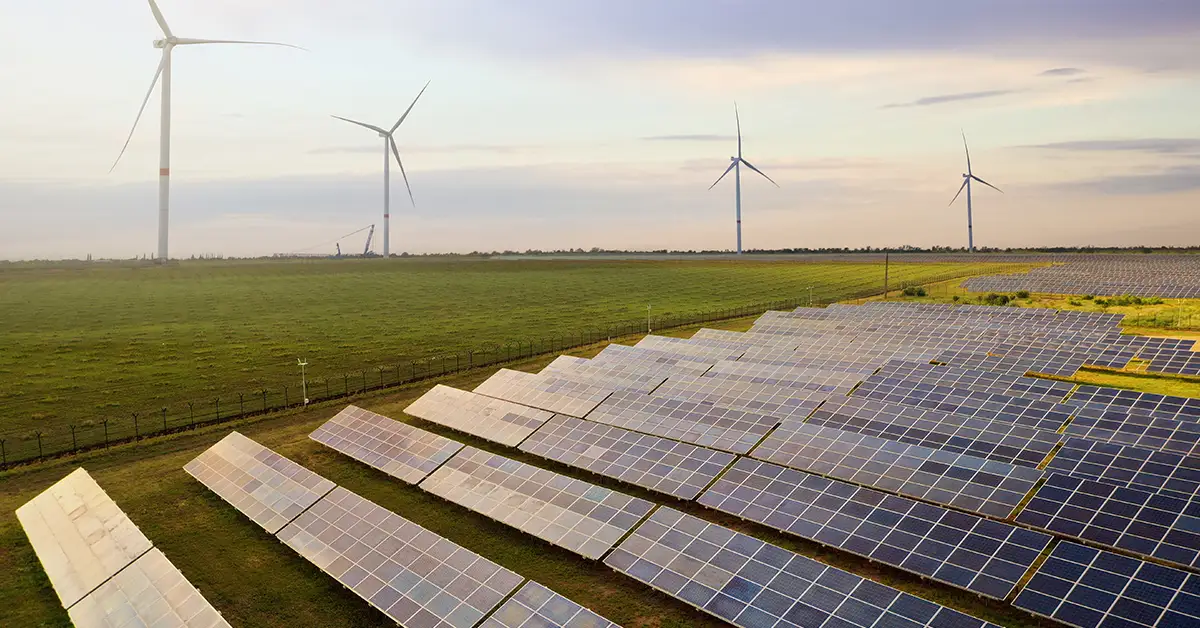
That is a more interesting question because Clean Power 2030 has never been solely about building more renewable energy. It is about reshaping an electricity system that was designed for a very different mix of generation. Wind and solar parks and battery storage may be the most visible parts of that transformation, but they are only one part of a much larger system. Every new project relies on planning,
investment, grid infrastructure, supply chains, skilled professionals and regulation working together.
Whether every objective is delivered by the end of the decade remains uncertain. What is certain is that the target has already influenced how the industry plans projects, allocates investment and prepares for the future.
A market that has matured
The UK’s renewable energy sector looks very different from the one that existed ten years ago.
Offshore wind has become one of the country’s most significant sources of electricity generation. Solar has continued to expand as costs have fallen and deployment has accelerated. Battery energy storage, once viewed as an emerging technology, is now an essential part of discussions around grid flexibility and energy security. At the same time, businesses have become far more sophisticated in how they purchase electricity through mechanisms such as corporate Power Purchase Agreements.
Just as importantly, the conversation has evolved.
A decade ago, success was often measured by how much renewable generation could be installed. Today, the industry spends just as much time discussing flexibility, storage, digital optimisation and network resilience. Building renewable assets remains critical, but ensuring the wider electricity system can accommodate them has become equally important.
That evolution has helped maintain investor confidence. Renewable energy is no longer viewed as a specialist corner of the infrastructure market. It has become an established investment class, attracting long-term capital from infrastructure funds, institutional investors and energy companies that see the UK’s electricity system continuing to evolve well beyond 2030.
This means the question facing the industry has changed. It is no longer whether renewable technologies can generate enough electricity. They already play a central role in the UK’s energy mix. The bigger challenge is making sure the systems around them develop at the same pace.
Beyond generation
It is easy to assume that achieving clean power simply means building more wind farms or installing more solar panels.
In reality, generation is only part of the equation.
Every renewable project must connect to the electricity network, integrate with existing infrastructure and contribute to a system where supply and demand are becoming increasingly dynamic. As more renewable generation comes online, balancing the network becomes more complex, increasing the importance of battery storage, flexible demand and digital technologies that help manage electricity in real time.
That is why conversations across the sector increasingly focus on substations, transmission infrastructure, network upgrades and flexibility markets alongside renewable generation itself.
The transition has entered a different phase. The industry knows how to build renewable projects. The question now is whether the supporting infrastructure can keep pace with the volume of development taking place across the country.
Why grid reform matters
Few topics appear in industry conversations more frequently than grid connections.
For years, developers have found themselves in the unusual position of having projects that are technically ready to move forward but unable to connect to the electricity network within a commercially viable timeframe. Frequently, connection dates stretched years beyond construction readiness, creating uncertainty for investors and slowing progress on otherwise viable developments.
The scale of the queue reflects the success of the renewable energy sector as much as its challenges. More projects have been seeking connections because more projects are being developed.
Recognising that the existing process was no longer fit for the volume of applications, National Energy System Operator (NESO), Ofgem and government are implementing reforms designed to prioritise projects that are genuinely ready to proceed while removing speculative schemes that occupy valuable capacity.
Those changes are significant, but they are only one part of a much wider programme of network modernisation. New transmission infrastructure, upgraded substations and greater coordination across the electricity system will all play an important role over the coming years.
Grid reform is therefore about much more than shortening waiting lists. It is about creating an electricity network capable of supporting the scale of renewable generation the UK is aiming to deliver.
Planning for the next phase
Planning sits alongside grid reform as another area that continues to shape the pace of development.
Large infrastructure projects are inherently complex. They require environmental assessments, consultation with local communities, engineering studies, land agreements and regulatory oversight before construction can begin. Those safeguards exist for good reason, and few within the industry would argue they should disappear.
The challenge is ensuring those processes remain robust while also being capable of supporting the pace of investment now taking place across the sector.
Finding that balance will not always be straightforward. A planning system that creates unnecessary delays can increase costs and slow investment, but one that moves too quickly risks undermining the confidence of communities and stakeholders whose support is equally important.
As a result, planning reform is increasingly being viewed not as a way to reduce scrutiny, but as an opportunity to create greater clarity and consistency for everyone involved in delivering new infrastructure.
That brings the conversation to another question entirely. Even with investment available, planning processes evolving and grid reforms underway, there remains another factor that will play a defining role in whether the UK’s ambitions can be delivered over the next five years.
Stay tuned for Part 2.

Get In Touch
Contact us for a great photography session & beautiful captured moments